Nantucket Beaches After Labor Day
How the shoreline changes in the fall.
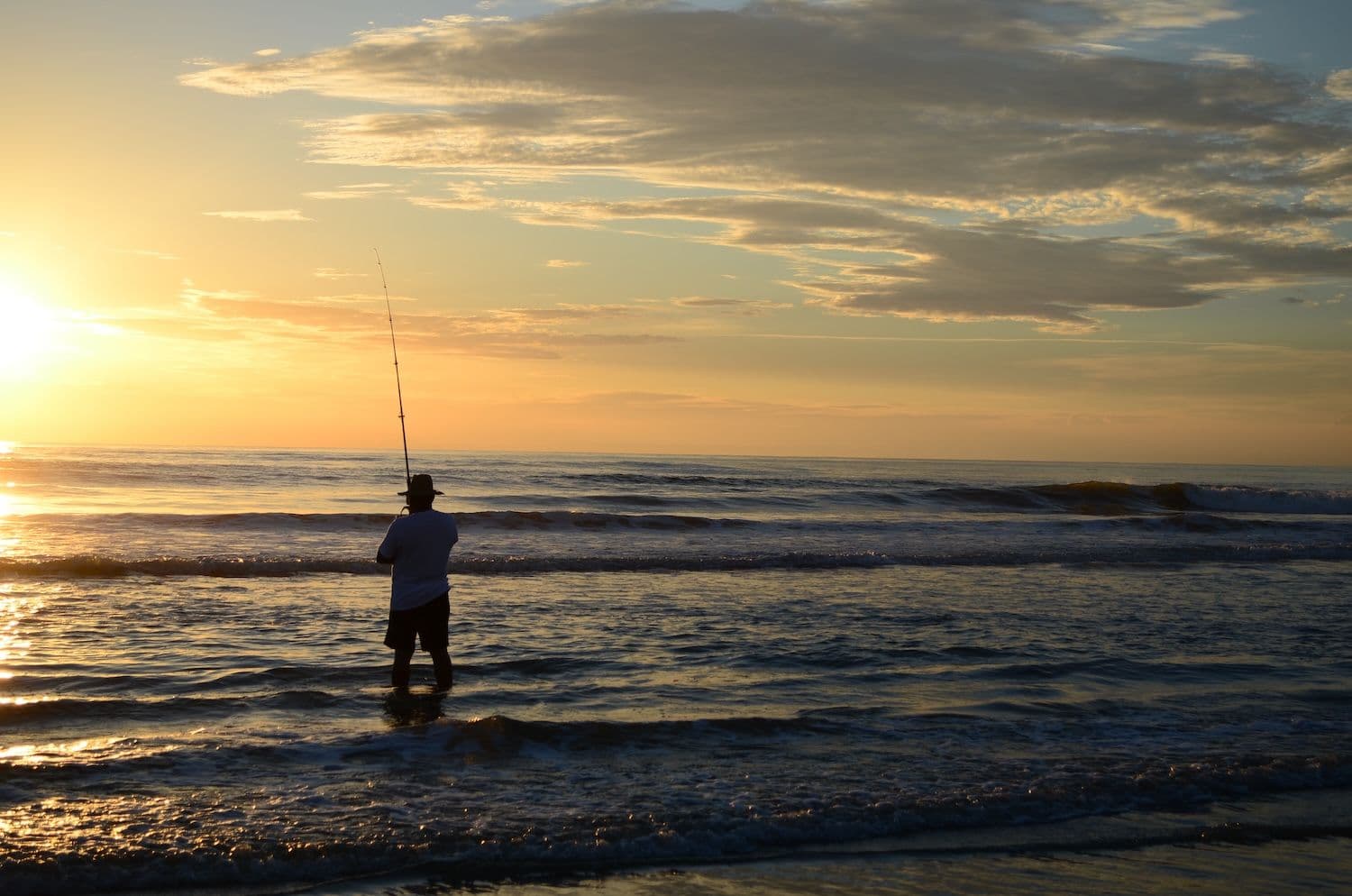


How the shoreline changes in the fall.
By October, Nantucket’s beaches have settled into a quieter rhythm. The umbrellas are gone, the sand is cool beneath your feet, and familiar stretches of shoreline can actually feel private. A beach that drew hundreds of visitors in August may host only a few walkers, anglers, and determined surfers on an autumn afternoon.
Fall is also when choosing the right beach matters. Lifeguards have finished for the season, many public facilities are closed, and the wind can change the a beach within hours. The perfect beach for a long walk may not be the best one for a picnic, a paddle, or an afternoon with young children.
Here’s what to know about visiting Nantucket beaches in the fall, including where to go, what to bring, and what to do when swimming is no longer the main event.
The most consequential change is the end of seasonal lifeguard coverage. Nantucket’s lifeguards generally staff designated beaches from late June through Labor Day. In fall, swimmers and surfers should assume that no lifeguard is on duty.
Restrooms, concessions, equipment rentals, and other summer services may also close or operate on a reduced schedule. Pack as though the beach will have no amenities: water, snacks, an extra layer, a small first-aid kit, a blanket or chairs and anything else you’ll want for the afternoon.
Parking is usually much easier, but access can become less predictable. Autumn storms, erosion, tides, and shifting sand can affect beach stairs and oversand driving routes. Check the Town of Nantucket’s current beach access information before heading to a more remote section of the island.
There isn’t one Nantucket beach that’s always protected in fall. The best choice depends on which way the wind is blowing that day.
The south shore, including Cisco, Miacomet, Surfside, Ladies, and Nobadeer, faces the open Atlantic. These beaches tend to have heavier surf and stronger currents, with little between the shoreline and the next passing weather system. These can be good beaches for a walk or an hour spent watching the waves, but the winds can make them cold, loud, and sometimes inhospitable.
The west end around Madaket is equally exposed. The sunsets remain beautiful well into autumn, although strong wind and rough surf can turn an otherwise beautiful evening into a short one.
For a calmer beach day, look first to the north shore. Jetties, Steps, and Dionis face Nantucket Sound and often feel more protected during the prevailing winds. Children’s Beach is sheltered and close to Town, which makes it an easy choice for families who want a short waterfront stop rather than a full beach day.
A north or northeast wind can reverse the equation. On those days, parts of the south shore may feel more sheltered behind the dunes, even if the Atlantic surf remains active. Check the forecast, then decide. Islanders rarely commit to a beach before looking at the wind.
Jetties and Steps Beach
Jetties is close to Town, easy to reach, and well suited for a leisurely walk when the north shore is calm. Continue toward Steps Beach for views across Nantucket Sound and, on a clear day, the outline of Great Point in the distance.
The stairs at Steps can feel steeper when they’re damp or sandy, so Jetties may be the better starting point for anyone who prefers easier access.
Dionis Beach
Dionis is a lovely fall choice for a quiet picnic or walk along the Sound. The dunes give the beach a tucked-away feeling, and the water is generally calmer than it is along the south shore.
Sconset Beach
An early walk along Sconset Beach pairs beautifully with a morning in the village. The eastern shoreline catches the first light, while the nearby Bluff Walk offers another perspective on the coast.
This isn’t the beach to choose during a strong easterly or northeasterly wind, however. Erosion can also affect access, so pay attention to posted signs and keep well back from unstable bluffs.
Madaket Beach
Madaket earns its place on the fall list at sunset. Bring a blanket, a warm drink, and more layers than you think you’ll need. The temperature drops quickly as the sun disappears.
Stay alert near the water. The Town notes that Nantucket’s west end and south-facing beaches can experience heavy surf and strong rip currents, and there are no lifeguards after the summer season.
Cisco, Miacomet, and Surfside
The south shore is at its most dramatic in fall. Long walks here come with open Atlantic views, wide sand, and the steady sound of the surf.
Choose these beaches on a clear day when you want movement and fresh air, rather than shelter. A windproof jacket makes a considerable difference.
Go Kayaking on a Calm Day
Early fall can offer beautiful paddling, particularly in Nantucket Harbor and other protected waters. The island looks and feels different from a kayak, with quiet coves, salt marshes, and changing autumn light along the shoreline.
However, kayaking is definitely an activity to plan around conditions. Avoid launching from an exposed south-shore beach, where surf and shore break can make entering and leaving the water difficult. Choose protected harbor or Sound-side water, use a recognized public access point, and tell someone where you’re going.
Rental availability becomes limited after summer, so arrange a kayak or delivery in advance rather than expecting to find equipment at the beach. If you’re unfamiliar with Nantucket’s tides and currents, go with a local guide.
Massachusetts requires everyone in a canoe or kayak to wear an approved life jacket from September 15 through May 15. The rule is particularly crucial in the fall since the air can feel mild while the water is already cold. Review the state’s fall paddling and boating safety guidance before setting out. See our kayaking guide for more on the best places on the island to paddle.
Try Recreational Scalloping
The opening of the recreational bay scallop season is one of Nantucket’s surest signs of fall. The season begins October 1 and runs through March 31, Wednesday through Sunday.
Anyone age 14 or older who participates needs an individual Town of Nantucket recreational shellfish permit and must display the permit button. Current fees, rules, and permit applications are available through the Town’s shellfish permit page.
Scalloping is often done in the island’s protected harbor waters using waders, a dip net, and a floating basket or ring. First-timers are advised to go with someone experienced. Local knowledge helps with equipment, legal harvest size, open areas, tides, and the care needed around eelgrass beds.
The Town may close certain areas because of water quality or other conditions, so check the current shellfishing maps and notices before entering the water. See our Scalloping Guide for more information and instructions.
Go Surfcasting
Fall brings some of Nantucket’s most devoted anglers to the shoreline. Cisco, Madaket, and the waters around Great Point are well-known surfcasting territory, particularly around dawn and dusk.
Saltwater anglers age 16 and older generally need a Massachusetts recreational saltwater fishing permit. Review the current state regulations, since seasons, size limits, and possession rules vary by species.
Great Point requires more planning. Vehicle access calls for a four-wheel-drive vehicle and an oversand permit, and daily conditions may limit how far visitors can travel. The Trustees provides real-time access instructions and refuge information.
Our guide for anglers can help you decide on the best places on Nantucket to surfcast or fish.
Surf the South Shore
For experienced surfers, fall can be one of the most exciting times of year at Cisco and along the south shore. There’s more room in the water, and Atlantic weather can produce compelling conditions.
There’s also less margin for error. There are no seasonal lifeguards, the water is colder, and fall swells can bring powerful shore break and rip currents. A wetsuit, experience surfing, and close attention to the forecast are essential. See our surfer’s guide for more information.
Watch Migrating Birds
Nantucket’s beaches and coastal marshes become resting and feeding grounds for migrating shorebirds in fall. Coskata-Coatue is particularly rewarding for birding, with salt marsh, dunes, shoreline, and maritime woodland within the refuge.
Bring binoculars and give flocks plenty of room. Protective fencing may remain in place after nesting season to safeguard gathering areas used by migrating birds. The Trustees site offers a list of numerous migratory shorebird species at Coskata-Coatue Wildlife Refuge.
Plan a Beach Picnic
A fall beach picnic may call for a thermos rather than a cooler. Pick up sandwiches or pastries in Town or Sconset, add a blanket and a wind-resistant outer layer, and look for a north-shore spot on a day with a southwesterly breeze.
Jetties, Dionis, and Children’s Beach are the easiest choices when convenience matters. Madaket is the romantic option for sunset, provided the forecast is kind.
Remember that seasonal trash collection may be limited. Bring everything back with you, including food scraps that could attract wildlife.
Photograph the Changing Coast
Fall light is lower and softer than the sharp midday light of July. Dunes hold longer shadows, waves catch the late-afternoon sun, and empty stretches of sand offer clean, quiet beauty.
If you have a passion for photographing the coast, try Sconset for sunrise, Madaket for sunset, and the south shore when clouds and Atlantic surf are creating a mood of their own. After a storm, admire erosion and exposed coastal features from a safe distance. Don’t climb damaged dunes or remove anything that may have historical or archaeological value.
Certain Nantucket beaches aren’t poor offseason choices, but they’re wrong for particular plans or conditions.
Skip Cisco, Surfside, Miacomet, and Nobadeer for kayaking or a picnic when the wind is blowing onto the south shore. These beaches face the Atlantic and can have forceful surf and wind even when the weather in town seems manageable.
Reconsider Madaket during a storm, at high tide, or when strong west winds are forecast. Go for the sunset on a calmer evening, but don’t count on it as a protected place to spend several hours.
Avoid making Great Point a casual, last-minute excursion. It’s remote, cell reception can be unreliable, and access changes with tides, storms, erosion, and wildlife protection measures. Check conditions before leaving, travel in daylight, and bring the required vehicle equipment.
On a particularly cold or windy day, Children’s Beach, Jetties, or a brief walk at Dionis will usually be more comfortable than an exposed ocean beach. Sometimes the best choice is the beach closest to Town, followed by something warm on Main Street.
Bring a windproof layer, hat, water, sunscreen, and sturdy shoes. Add gloves once November hits. A blanket is useful for picnics, while a dry change of clothing belongs in the car if anyone is paddling, scalloping, surfing, or fishing near the water.
Don’t rely on finding open restrooms, food service, rental equipment, or transportation at the beach. Confirm anything essential before leaving town.
Can you still swim at Nantucket beaches after Labor Day?
You can, but there are generally no lifeguards after Labor Day and the water becomes progressively colder. South, southeast, and west-end beaches can have heavy surf and rip currents. Check conditions and stay out of the water if you are not a strong swimmer.
Which Nantucket beaches are least windy in fall?
No Nantucket beach is always the least windy. During a south or southwest wind, north-shore beaches such as Jetties, Steps, and Dionis often feel more protected. During a north or northeast wind, the south side may have some shelter from the dunes, although the Atlantic can remain rough.
Where should beginners kayak in Nantucket during fall?
Beginners should stick to protected harbor or Sound-side waters on a calm day, preferably with a local guide. Don’t launch through south-shore surf. From September 15 through May 15, Massachusetts law requires canoeists and kayakers to wear an approved life jacket.
When does recreational scallop season begin on Nantucket?
Nantucket’s recreational bay scallop season generally runs from October 1 through March 31, Wednesday through Sunday. Participants age 14 and older need their own Town of Nantucket recreational shellfish permit. Always confirm current rules and closure notices with the Town before harvesting.
Are Nantucket beach restrooms open in October?
Most beach facilities are seasonal, and availability can change. Plan as though restrooms and concessions will be closed unless you’ve confirmed otherwise.
Can you drive on Nantucket beaches in the fall?
Permitted oversand driving is available in designated areas, but the proper permit and a true four-wheel-drive vehicle may be required. Routes can close because of erosion, tides, coastal flooding, or wildlife protections. Check current Town or Trustees access information on the day of your trip.
What is the best Nantucket beach for a fall sunset?
Madaket is the classic choice. Arrive early, bring warm layers, and check the wind and tide before settling in near the water.
 Exclusive

 Exclusive
 Exclusive
 Exclusive
 Exclusive
 Exclusive
 Exclusive
 Exclusive
